Image

In chemistry, certain substances and reactions can be dangerous to health or cause accidents. It is therefore essential to know and follow safety rules to work safely in a laboratory.
Examples:
- Handling an acid without safety goggles can cause burns on the skin or eyes.
- Heating a chemical without precautions can cause splashes or violent reactions.
To work in a laboratory, you must always:
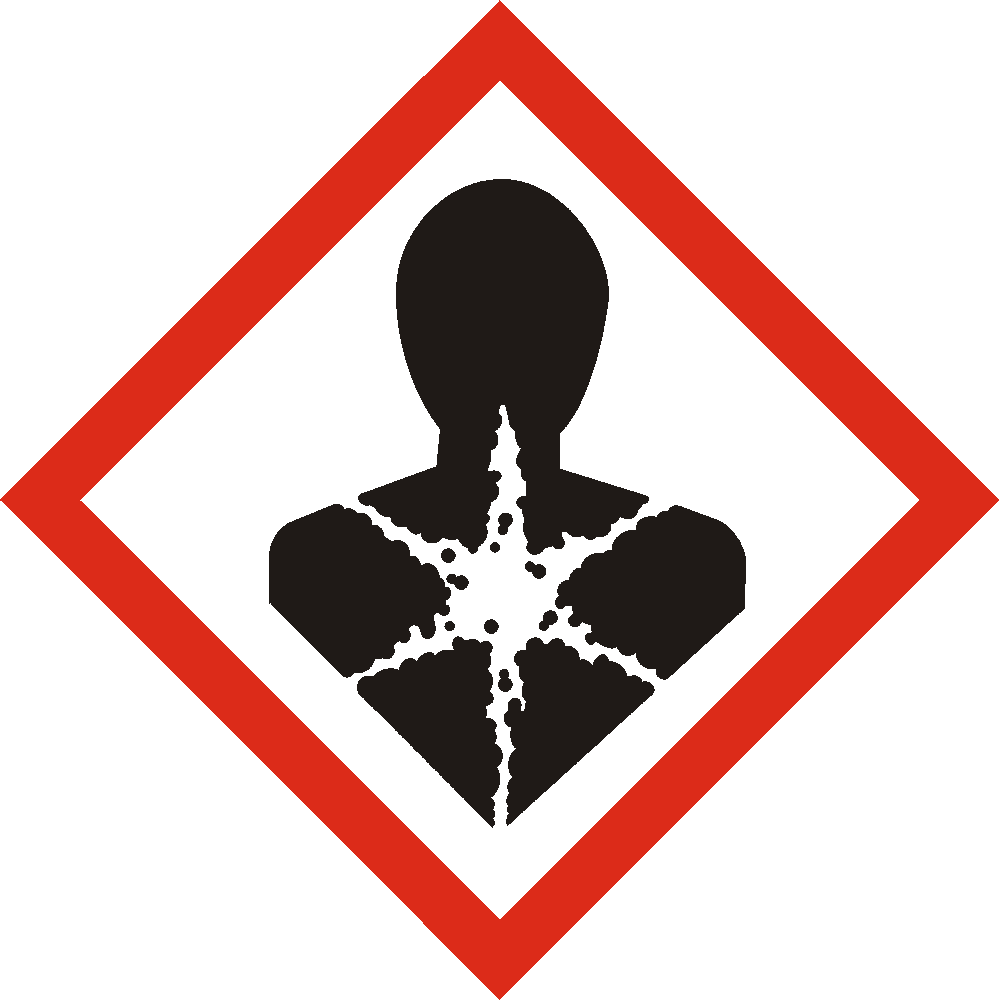
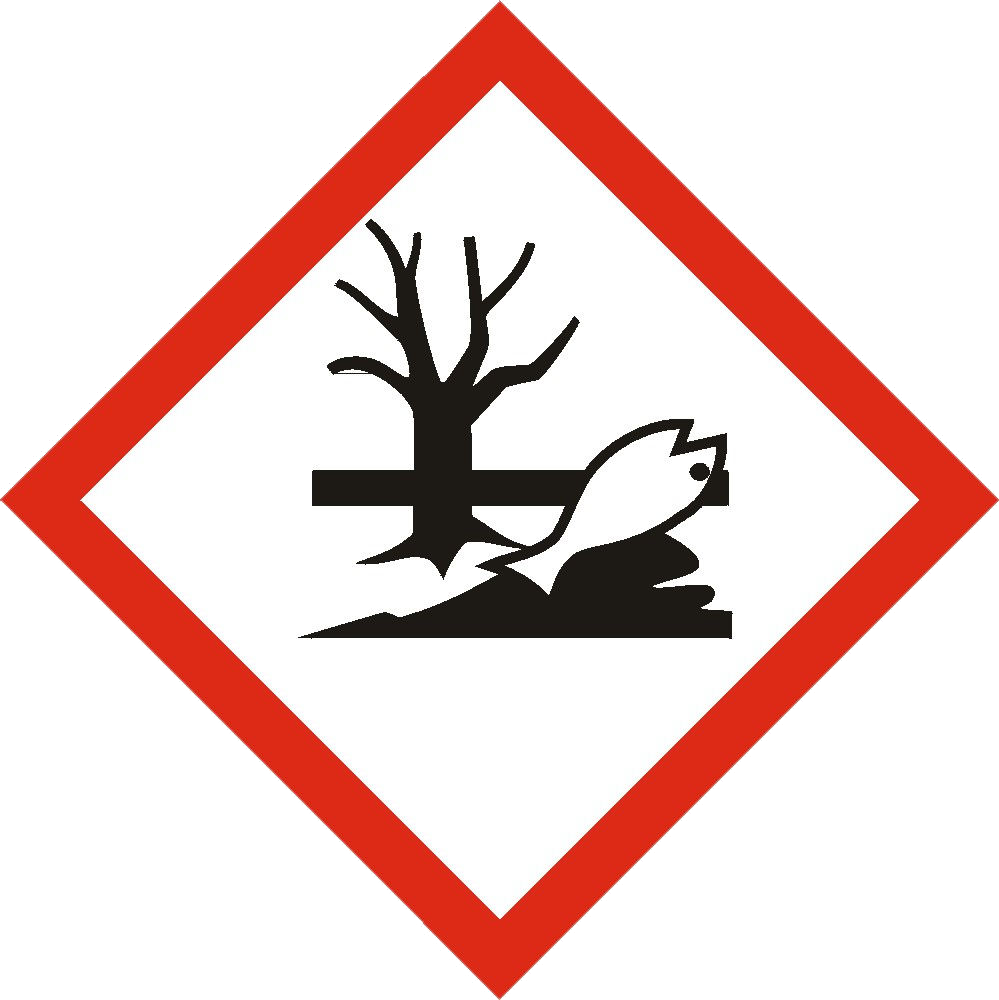
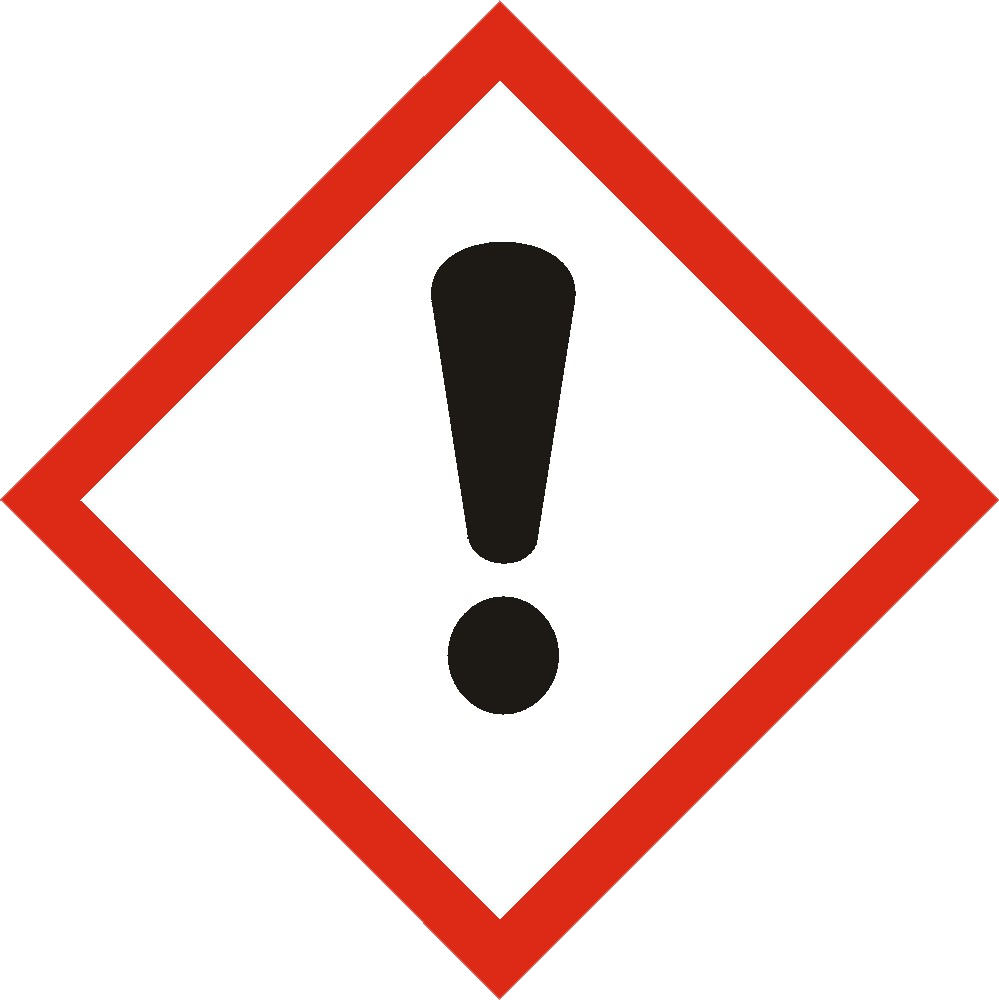
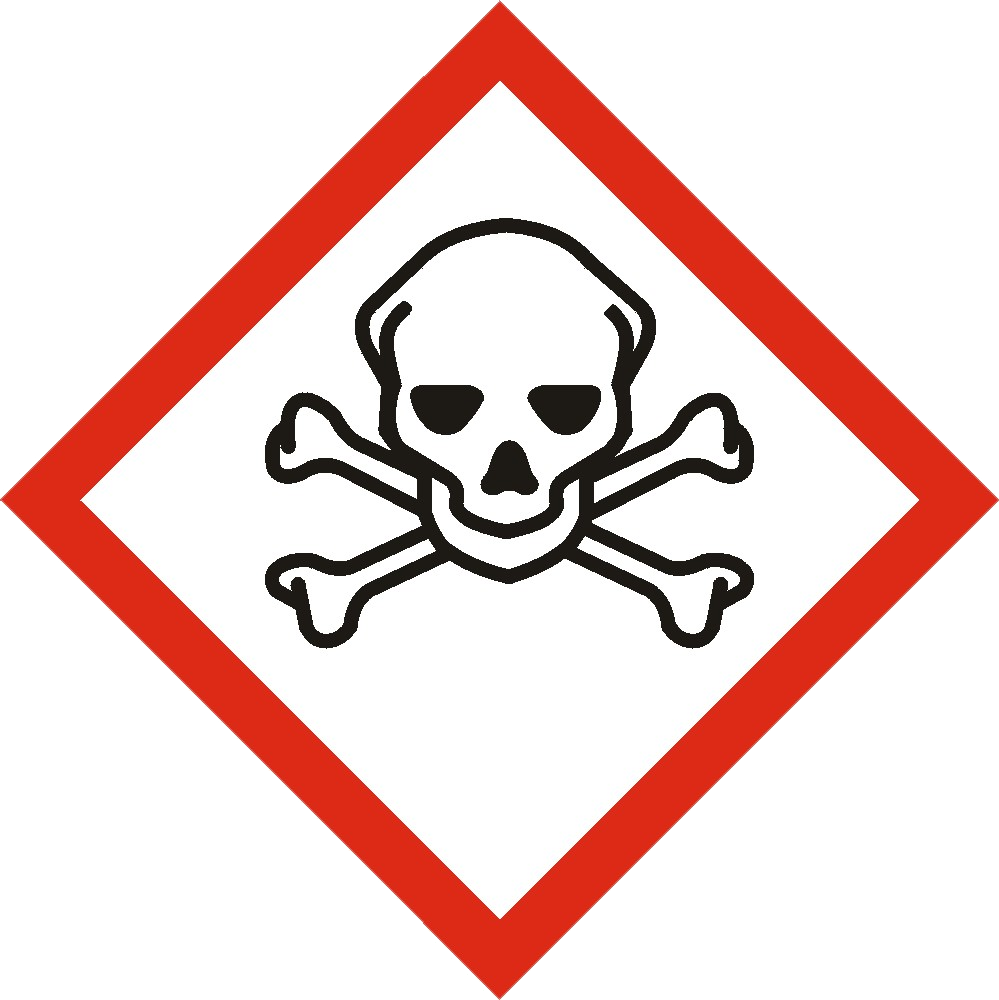
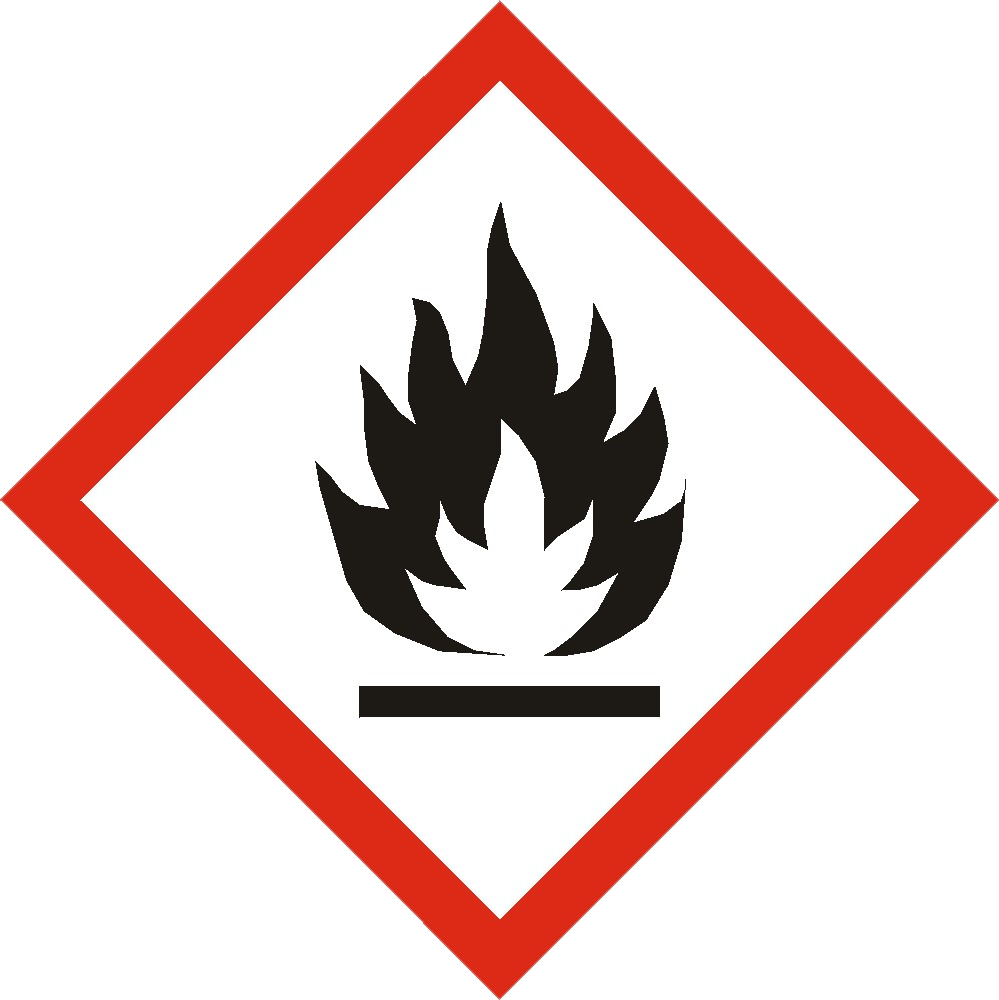
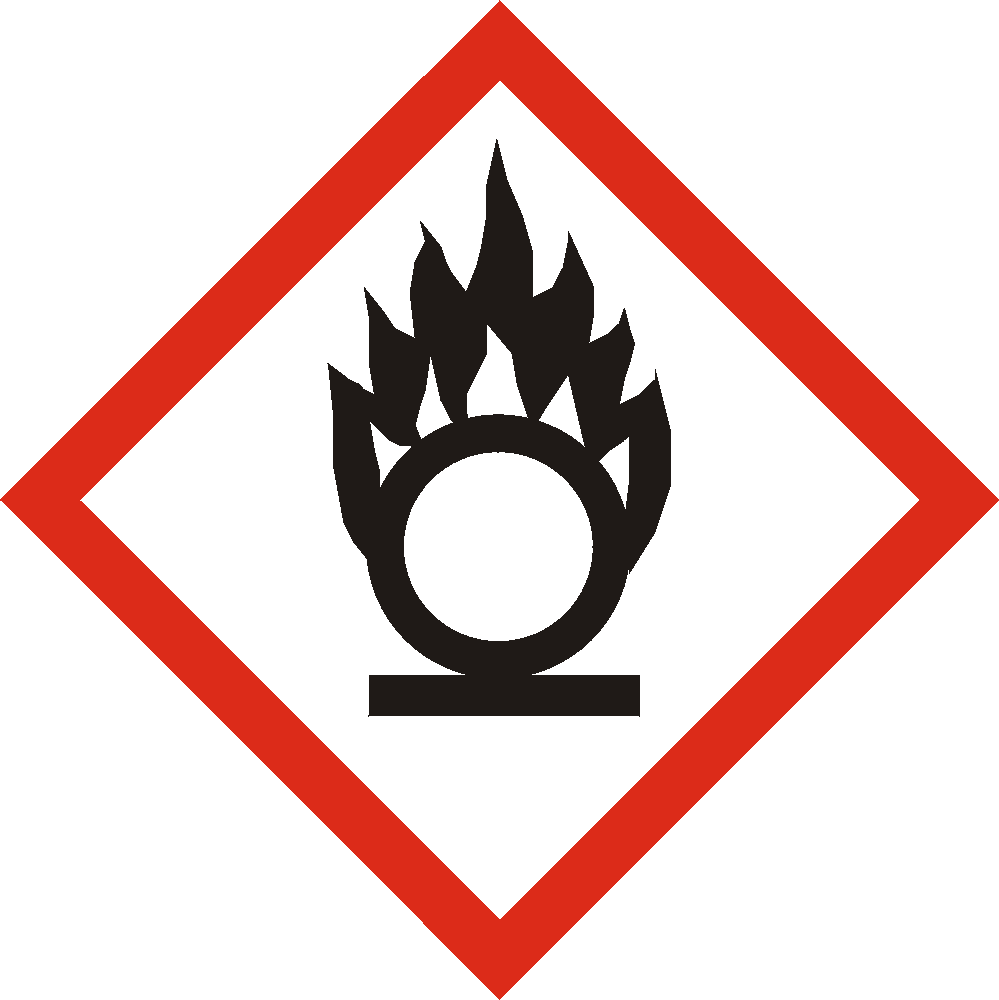
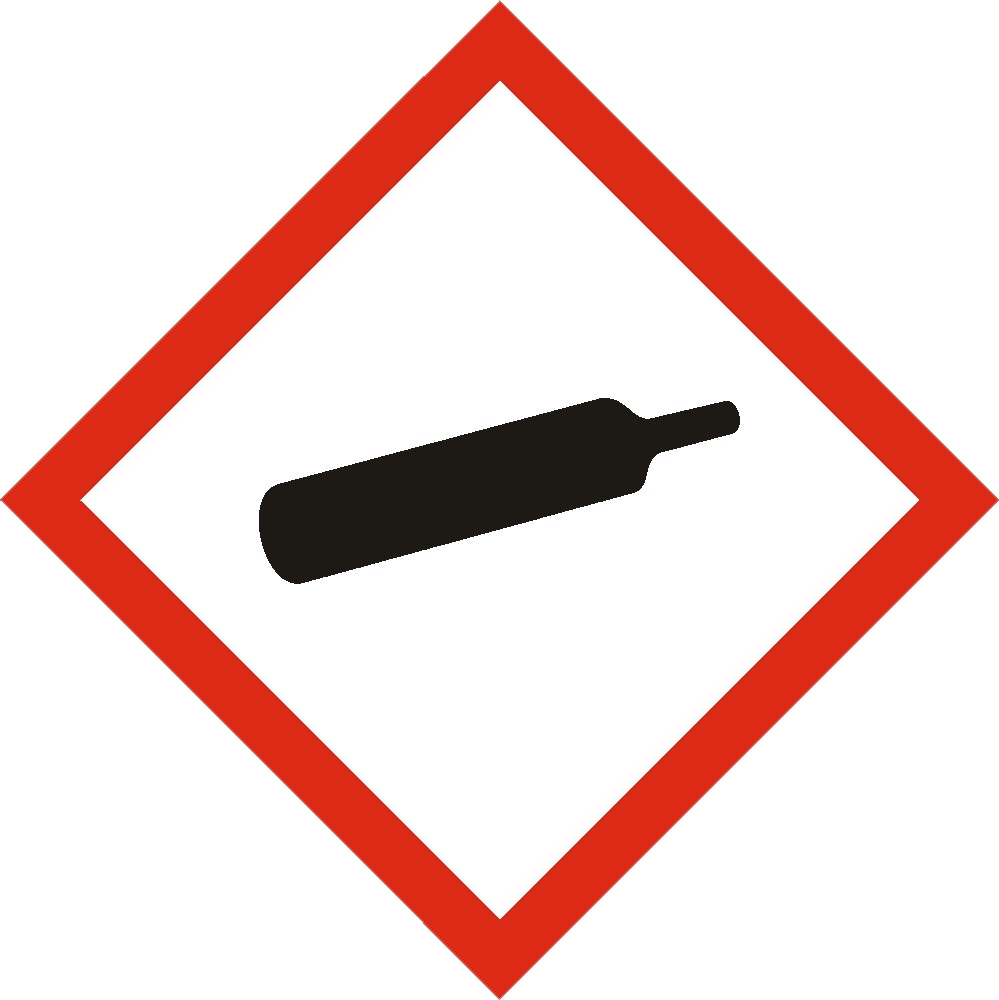
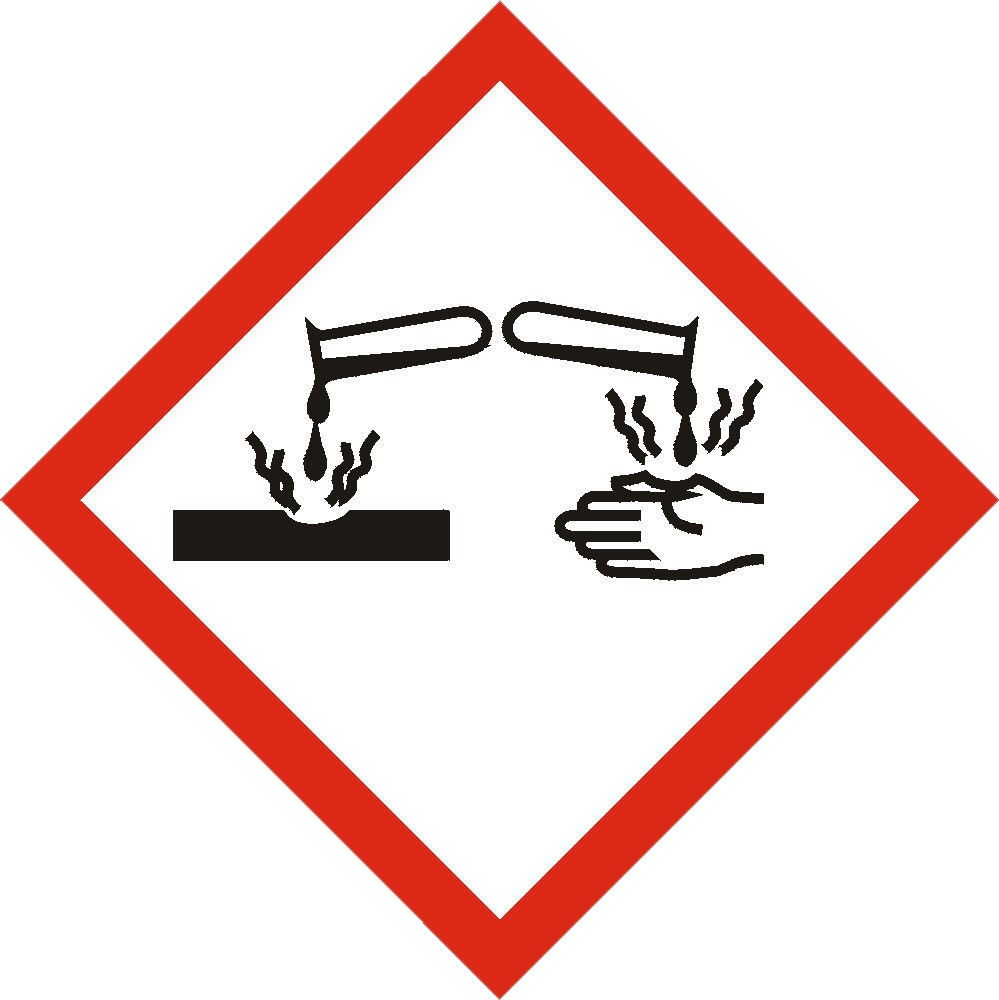
Chemical products carry pictograms that indicate how hazardous they are. The main ones are:
Corrosive
CMR
Environmental hazard
Harmful/Irritant
Toxic
Flammable
Oxidising
Gas under pressure
In a laboratory, it is essential to know how to react quickly:
Acids (hydrochloric acid, sulfuric acid...) and bases (sodium hydroxide, ammonia...) are often corrosive: in contact with skin or eyes, they cause chemical burns. The more concentrated the solution, the greater the danger.
Many household products are acids or bases: drain unblockers (strong base), descalers and anti-limescale products (acids), bleach... Their label bears hazard pictograms (corrosive, harmful) and safety instructions to follow.
Warning: never mix bleach with a descaler (acid): the mixture releases a toxic gas (chlorine gas).
In the laboratory, the storage of products follows precise rules: closed and labelled containers, incompatible products separated (acids away from bases, oxidisers away from flammables), away from heat and light.
Chemical waste is never poured down the sink: it is collected in waste containers suitable for its nature, then treated by a specialized facility.