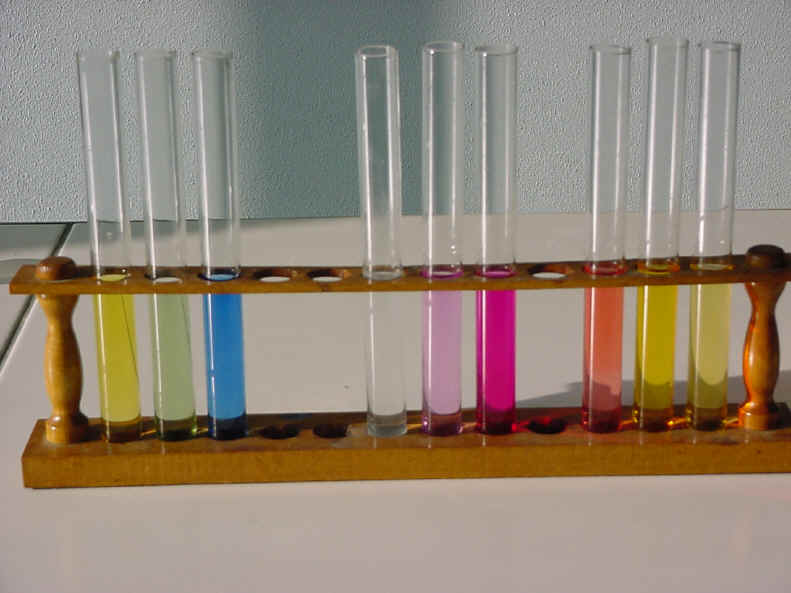
What is pH?
pH is a value used to determine whether a solution is acidic, neutral or basic. It is a measurement scale ranging between 0 and 14. It can be compared to a "chemical thermometer".
The pH scale
- A pH of 7 corresponds to a neutral solution, like pure water.
- A pH below 7 indicates an acidic solution. The closer the value is to 0, the stronger the acidity.
- A pH above 7 indicates a basic (or alkaline) solution. The closer the value is to 14, the stronger the basicity.
Example:
- Lemon juice has a pH ≈ 2 (acidic).
- Tap water has a pH close to 7 (neutral).
- Soap has a pH ≈ 9 (basic).
pH in everyday life
The pH of the water we drink must be close to 7 so that it is neither too acidic nor too basic. Every liquid in our daily lives has its own pH: saliva, drinks, household products...
0 7 14
Current pH: 7.0
Neutral zone
Pure water
Pure water has a pH of 7, it is neither acidic nor basic.
Key points
- Between which values does pH range?
- What does a pH of 7 mean?
- How do you distinguish an acidic solution from a basic solution?
- What is the ideal pH for drinking water?